
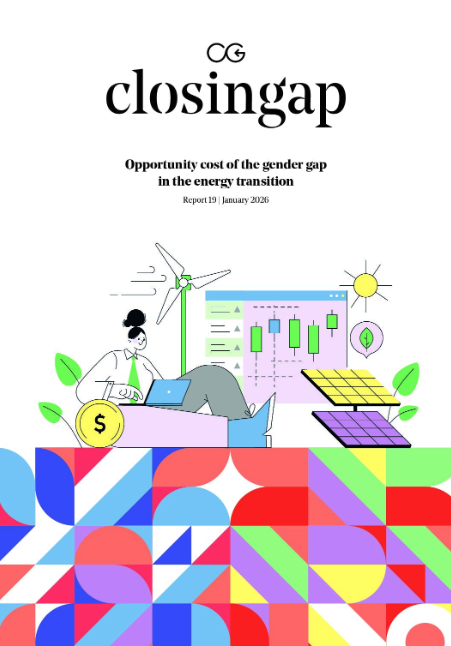

Gender Gap in the Energy Transition
The report prepared by Afi shows that the gender gap in the energy transition contrasts with women’s high level of commitment to this process. Nearly 80% of young women say they are concerned about climate change and rate the need to act at an average of 9.5 out of 10.
However, this commitment does not translate into equality: in energy-related employment, women earn an average of €4.1 less per day than men. Moreover, inequality extends into the social sphere: one in three single-mother households cannot maintain an adequate temperature in their homes—almost double the national average.
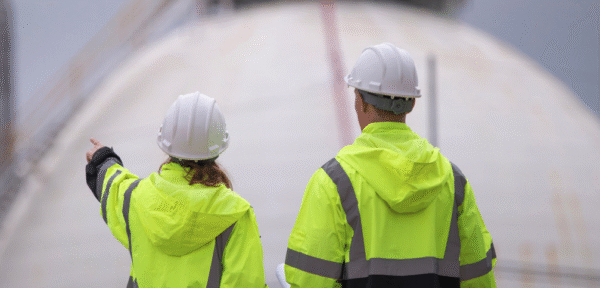
The opportunity gap in the sector
The report notes that despite educational progress — women account for 38% of those with university degrees in the sector — their presence in technical and managerial jobs remains a minority: they hold only 22% of senior positions, and just 11% of female graduates in related fields access these jobs, compared with 23% of men.

“Closing the gender gap in the energy transition is not only a social duty, but an economic priority”
Equality as an essential condition
Es necesario activar las cookies para ver este contenido
For her part, Marieta Jiménez, president of ClosinGap, stressed that achieving equality must be understood as an essential condition for progress and social prosperity, and that the energy transition will only be complete if it includes all voices, designing a future in which energy creates more opportunities and reduces inequalities.
The report, which includes proposals to boost women’s presence in green sectors and tackle energy poverty, concludes that equality in the energy transition is key to the country’s competitiveness and sustainability. To reach parity before 2043, it warns, the current rate at which women are joining the sector will need to increase fivefold.