
Opportunity cost of the gender gap in work-life balance
The lack of shared responsibility in caring for children, dependents, and domestic chores has a significant cost for the Spanish economy. This is highlighted in the new ClosinGap report, prepared by Afi with the support of Repsol, which estimates the opportunity cost of the gender gap in work-life balance at 95.581 billion euros per year, equivalent to 6.4% of the 2023 GDP.
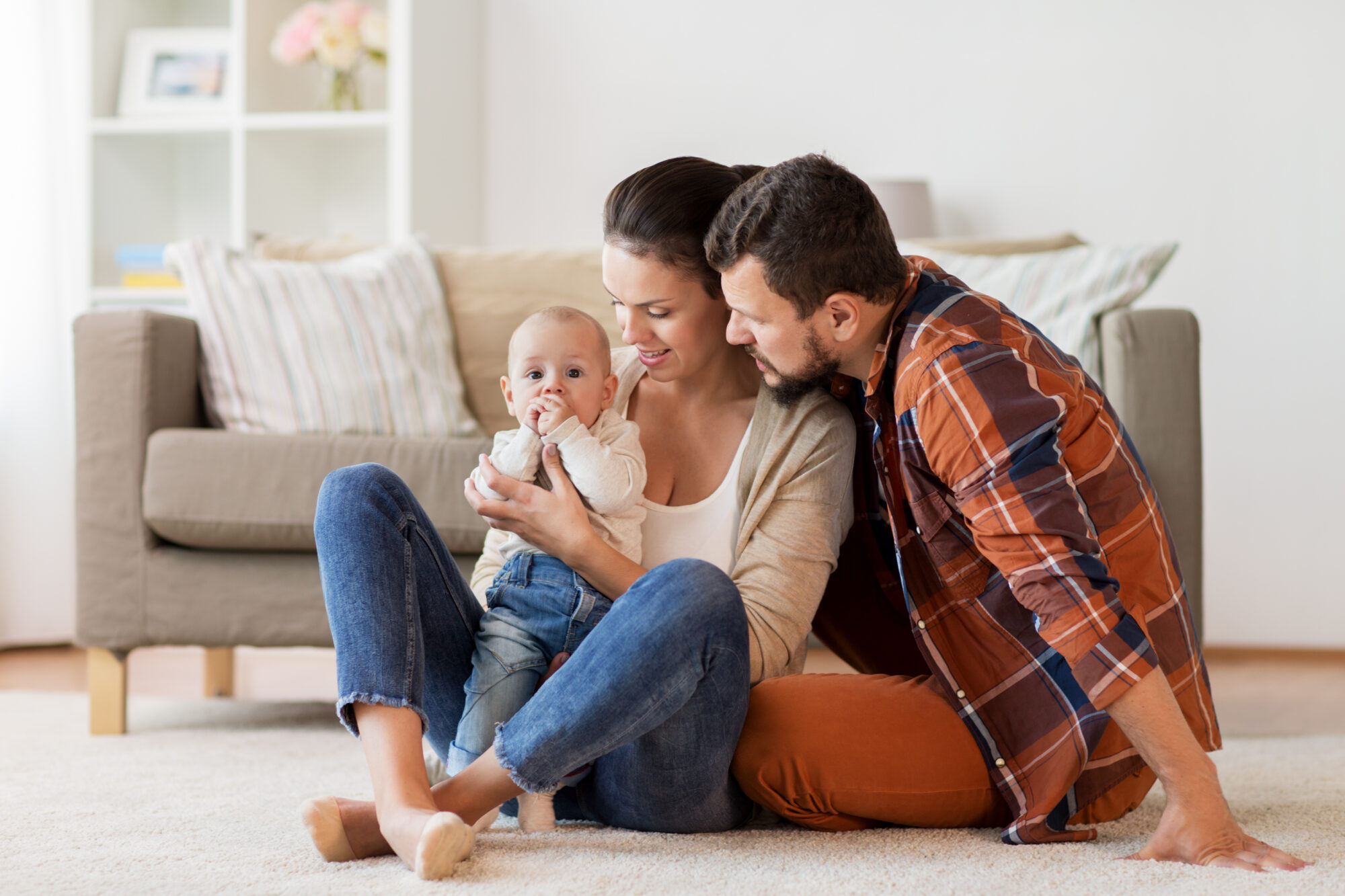
According to the study, working-age women spend 41 million more hours each day than men on unpaid activities related to the home and caregiving. This overload limits their professional development, well-being, and full participation in the labor market. Sixty-five percent of the total estimated cost is due to the unequal distribution of care for children and dependents.

Risk of Stagnation Among New Generations
The generational analysis in the report shows that, although millennial men have made progress in sharing domestic tasks, the gap in caregiving remains virtually unchanged. In the case of Generation Z, stereotypes persist that could perpetuate traditional roles, especially in elder care.
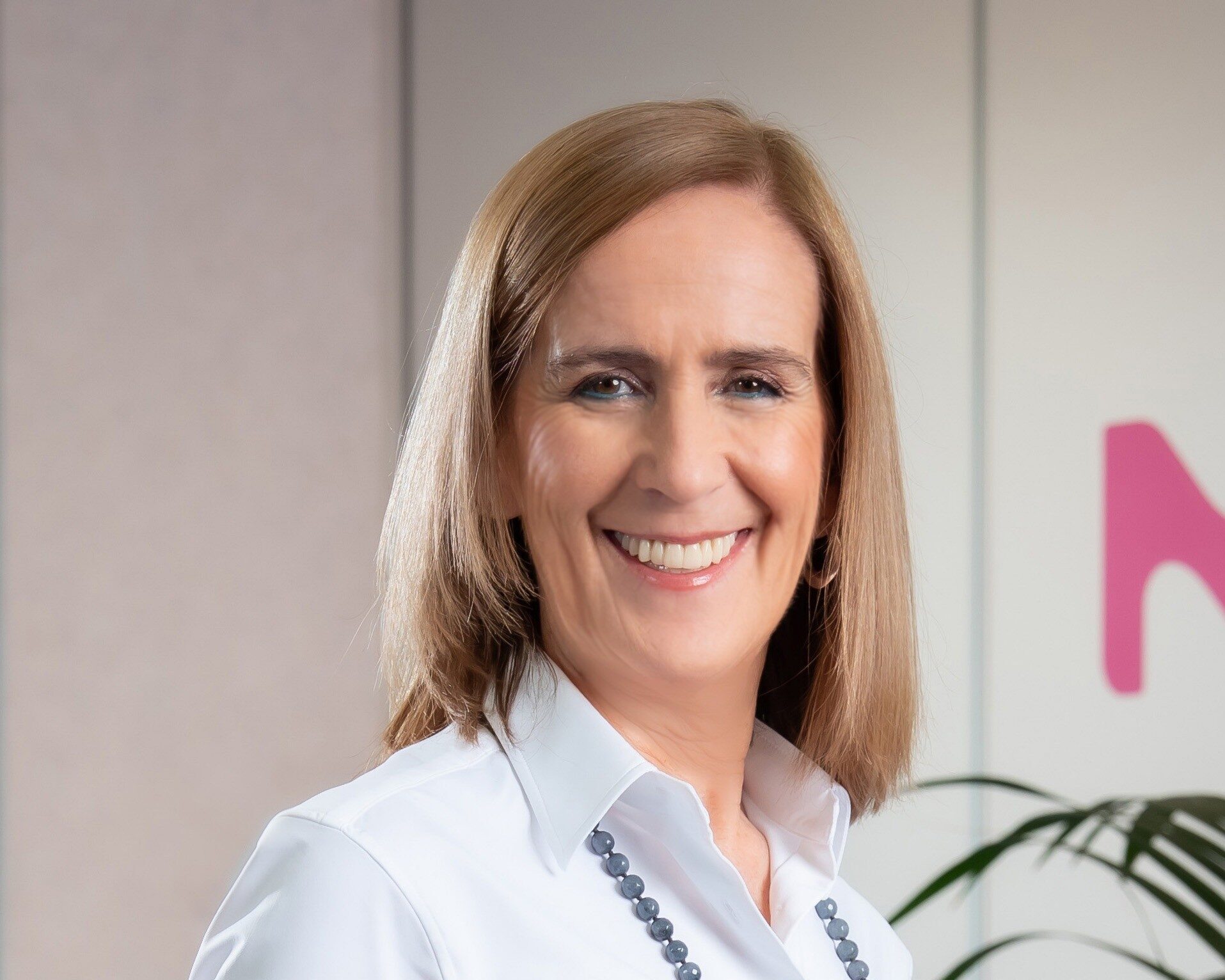
“I firmly believe that achieving work-life balance is neither a luxury nor a concession. It is a brave decision toward a smarter, more humane, and more life-aligned model. And it is in our hands to make it a reality. That is why, at ClosinGap, we will continue doing what we do best: analyzing, raising awareness, proposing solutions. But also inspiring. Because real change begins when each of us decides to see things differently and act accordingly”
Es necesario activar las cookies para ver este contenido
The lack of work-life balance also affects female employment: 92% of leave of absence requests for caregiving and 84% of requests for reduced working hours are made by women. These career sacrifices have an estimated economic cost of 19 billion euros annually, or 1.4% of GDP. Additionally, the report warns about the role of structures such as split workdays, which particularly hinder work-life balance for women.